
Aenean ornare velit lacus, ac varius enim lorem ullamcorper dolore aliquam.
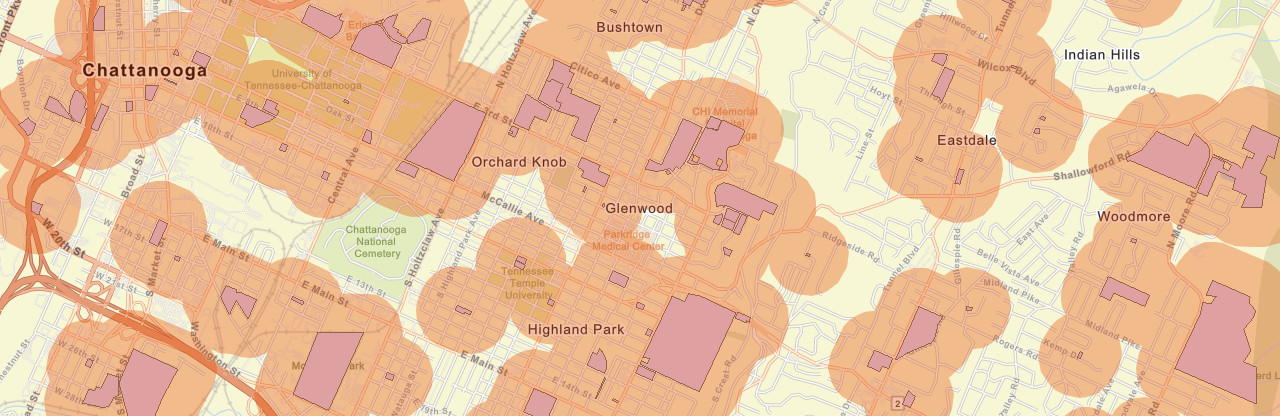
Most states have laws that regulate where people on the sex offender registries may live or work. The purpose of these laws is to protect children, but in some states and municipalities, these laws are drawn too broadly creating the counter-intuitive result of fewer protections and less safety. .
These laws are written in a way that makes the majority housing and employment off-limits to people on the registry. Some states compound the problem by applying harsh registry requirements on people who they concede have a very low risk of reoffending. Without housing or employment, it is harder for people on the registry to build the kind of stability that helps prevent recidivism. Many of these laws divert law enforcement resources from crime prevention to creating homelessness, which in turn makes it harder for law enforcement to monitor people on the registry.
Aenean ornare velit lacus, ac varius enim lorem ullamcorper dolore aliquam.

Aenean ornare velit lacus, ac varius enim lorem ullamcorper dolore aliquam.

Aenean ornare velit lacus, ac varius enim lorem ullamcorper dolore aliquam.
Please help us restore integrity to the United States legal system by ending the confinement of individuals who have completed their prison sentence. Please donate.